
What Is an ATM Machine? How It Works, Its Components, and Its Role in Banking Transactions

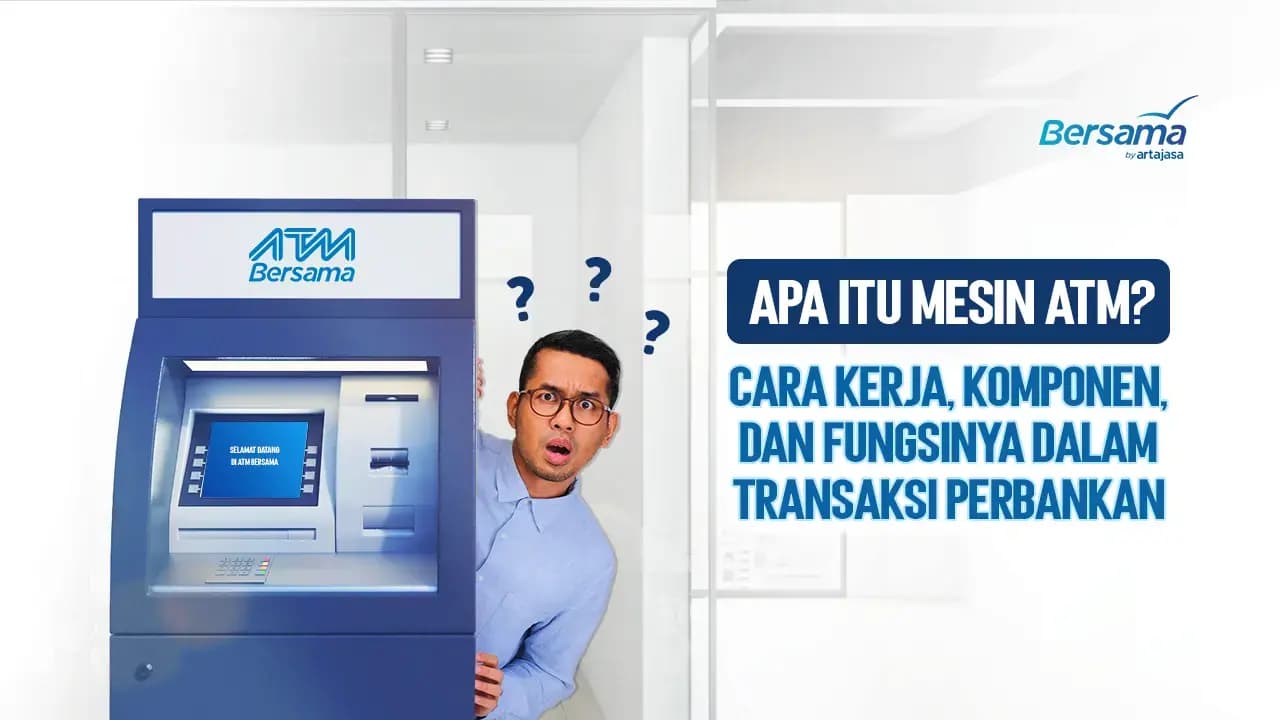
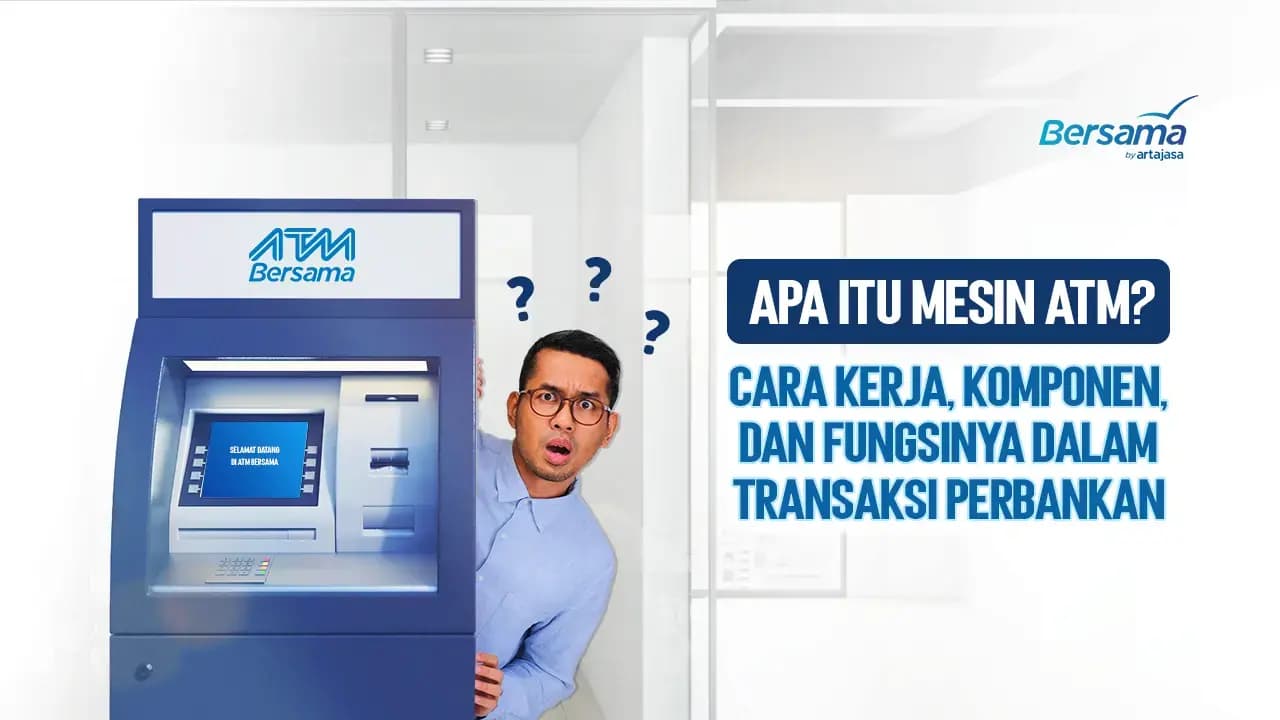
Amid the rapid digitalization of banking services, the ATM machine remains one of the most essential infrastructures within the modern financial system. Although transactions can now be conducted through mobile banking applications or digital wallets, ATMs continue to be relevant as they provide cash access, transaction flexibility, and 24-hour service convenience. So, what exactly is an ATM machine, how does it work, and what role does it play in today’s banking ecosystem?
Definition of an ATM: More Than Just a Cash Withdrawal Machine
An ATM (Automated Teller Machine) is an electronic device that enables bank customers to perform various financial transactions independently without visiting a bank teller. Initially, ATMs were primarily known as cash withdrawal machines. However, with technological advancements, their functions have significantly expanded.
An ATM serves as an extension of the bank that operates continuously. Through this machine, customers can withdraw cash, transfer funds between accounts, check account balances, and pay various bills. In other words, an ATM represents the automation of banking services, bridging customer needs with the bank’s system in real time.
How an ATM Machine Works: From Card Insertion to Cash Dispensing
Behind its seemingly simple process, the operation of an ATM involves a complex and integrated system. When an ATM card is inserted, the machine reads the data embedded in the chip or magnetic stripe to identify the customer’s account.
The customer then enters a Personal Identification Number (PIN) as an authentication layer. This information is transmitted to the bank’s system through a secure communication network. The banking system verifies whether the PIN is correct, whether the account balance is sufficient, and whether the transaction can be processed. If all conditions are met, the ATM executes the requested command, such as dispensing cash or displaying balance information.
Although the entire process takes only a few seconds, it involves rapid data exchange between the ATM, the interbank network, and the bank’s core banking system.
ATM Components: Hardware and Supporting Systems
To operate effectively, an ATM consists of several interconnected key components. One of the most recognized components is the card reader, which reads customer card data. The keypad allows customers to enter their PIN and transaction instructions, while the display screen serves as the primary user interface.
Internally, the machine contains a cash dispenser responsible for storing and dispensing banknotes according to the selected denomination. A receipt printer is also an essential component that provides transaction proof. All hardware components are controlled by dedicated software systems designed to ensure that transactions are secure, accurate, and properly recorded.
Equally important, the ATM is connected to the bank’s network and servers. Without this connection, the machine would be unable to verify data or process transactions in real time.
ATM Security Functions: Ensuring Safe Transactions
Security is a critical aspect of ATM operations. As ATMs handle sensitive data and cash transactions, they are equipped with multiple layers of protection. One of the primary safeguards is the use of a confidential PIN for customer authentication. Additionally, transaction data is encrypted to prevent unauthorized interception.
From a physical standpoint, ATM machines are equipped with secure vaults designed to withstand tampering or forced entry attempts. Many modern ATMs also feature surveillance cameras and sensors to detect suspicious activities. Banks routinely monitor ATM transactions to identify unusual patterns, allowing potential fraud to be prevented at an early stage.
The Relationship Between ATM Machines and the ATM Bersama Network
One of the advantages of ATM services in Indonesia is their integration into shared networks, such as the ATM Bersama network. Through this network, customers can conduct transactions not only at their own bank’s ATMs but also at ATMs belonging to other participating banks.
This connectivity enables interbank interoperability, making cross-bank transactions more convenient and efficient. From the customer’s perspective, the ATM Bersama network expands ATM accessibility nationwide. For banks, the network enhances service efficiency and broadens operational reach without the need to deploy additional machines in every location.
The Role of ATMs in Modern Banking
Despite the continuous growth of digital services, ATM machines maintain a strategic position in modern banking. They provide essential solutions for customers who still require cash access, particularly in regions where digital infrastructure is not yet fully developed. Furthermore, ATMs serve as a backup service channel when digital systems experience disruptions.
With integration into national networks and continuous advancements in security technology, ATMs are no longer merely cash withdrawal machines but rather integral components of a reliable and inclusive financial transaction ecosystem.
Similar Promo & News
See All