
Business Opportunities in Indonesia’s Rapidly Expanding Payment System Ecosystem

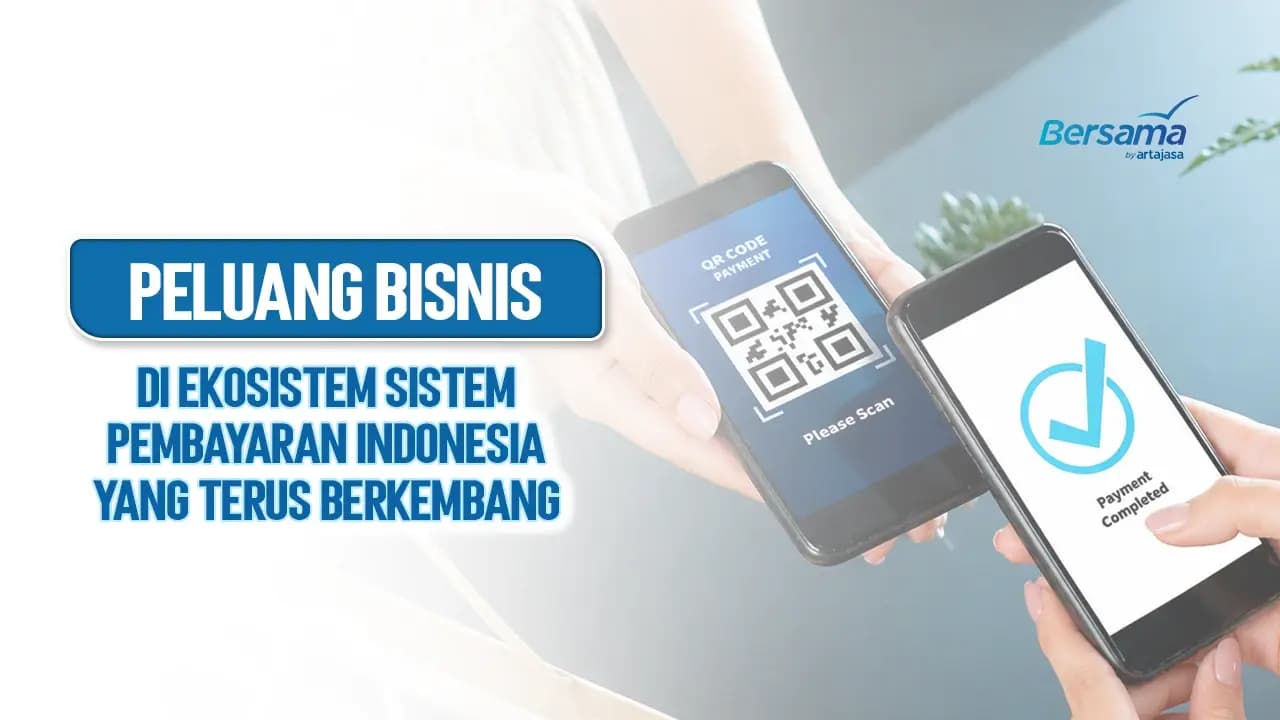
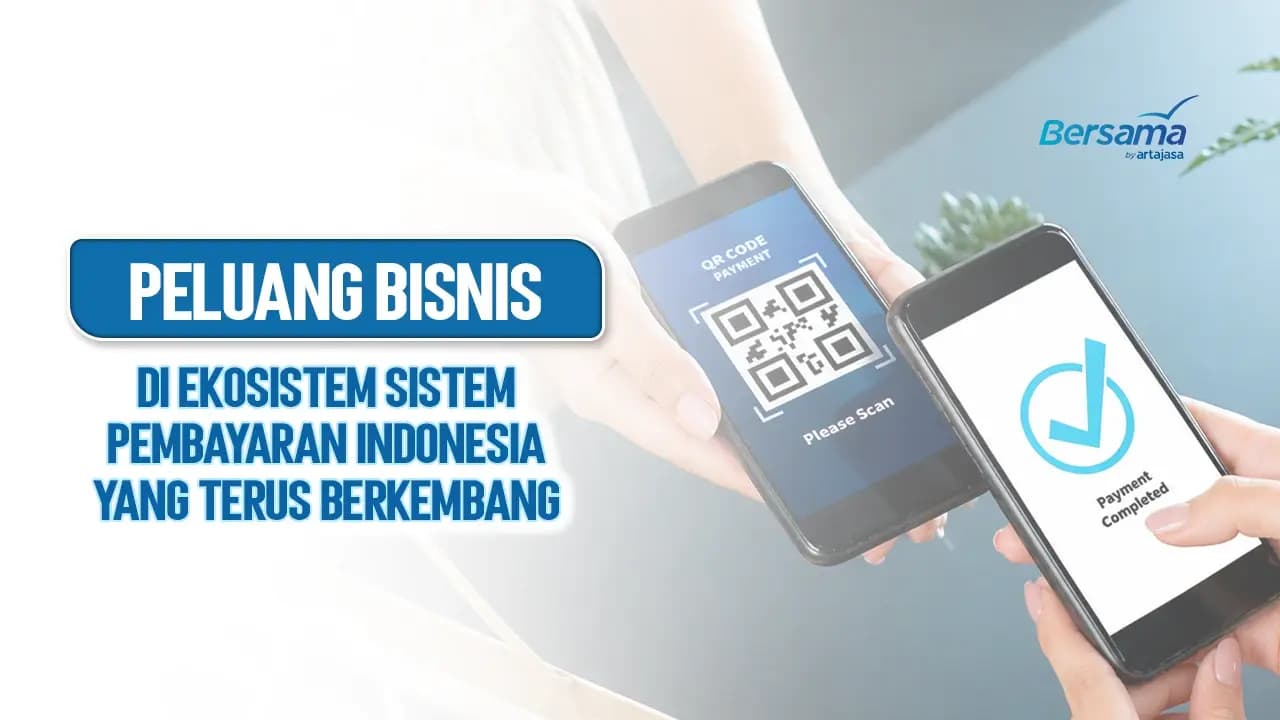
The rise of digital technology has significantly transformed how people in Indonesia carry out financial transactions. In the past, cash was the dominant payment method. Today, however, consumers increasingly rely on bank transfers, digital wallets, QRIS, debit and credit cards, as well as Buy Now Pay Later (BNPL) services. This shift in behavior has created substantial opportunities within the payment system industry for businesses, technology firms, and financial institutions.
Indonesia stands out as one of the most promising markets in Southeast Asia. Its large population, growing internet penetration, and strong regulatory support for financial digitalization contribute to a payment sector that is expected to expand sustainably in the long term. For companies that can anticipate market trends accurately, this momentum offers high-value business potential.
Understanding Indonesia’s Payment System Ecosystem
Indonesia’s payment ecosystem continues to evolve alongside the country’s digital economy. Payment methods are no longer limited to cash or traditional banking channels but have developed into interconnected digital infrastructures that enable seamless transactions.
This ecosystem involves a wide range of stakeholders, including banks, digital banks, fintech companies, payment gateways, switching providers, merchants, and regulators such as Bank Indonesia and the Financial Services Authority (OJK). Each plays a critical role in ensuring that transactions are processed securely, efficiently, and in real time.
Banks act as the foundation by providing accounts, fund transfers, and card-based payment services. Fintech companies introduce innovation through digital wallets, QR-based payments, installment services, and app-driven financial solutions. Meanwhile, switching providers enable interoperability between institutions, allowing transactions to move across different platforms smoothly.
One of the most significant drivers of growth is QRIS (Quick Response Code Indonesian Standard), which simplifies payments by allowing users to transact using a single QR code across multiple merchants. This innovation has accelerated the adoption of digital payments, especially among MSMEs and retail businesses.
In addition, the growth of e-commerce, on-demand services, smartphone usage, and increasing public trust in digital transactions have expanded the market beyond major cities into regional areas.
Looking forward, the ecosystem is expected to become even more robust with the development of open banking, embedded finance, artificial intelligence for fraud prevention, and cross-border payment integration. These factors position Indonesia as a highly attractive digital payment market in Southeast Asia.
The Roles of Banks, Fintech, Switching Providers, and Technology Partners
Within a modern payment ecosystem, each participant contributes a distinct yet complementary function. Collaboration between these entities is essential to ensure that digital transactions operate smoothly and securely.
Banks as Financial Anchors
Banks continue to play a central and strategic role by providing core financial services such as savings accounts, transfers, debit and credit cards, and mobile banking. They also maintain public trust through regulatory compliance and established infrastructure. Many banks are now accelerating digital transformation to remain competitive.
Fintech as Innovation Drivers
Fintech companies bring agility and user-focused innovation. Their offerings include e-wallets, payment gateways, paylater services, and digital lending. Their strength lies in rapid innovation, simplified processes, and the ability to reach underserved segments.
Switching Providers as System Connectors
Switching companies act as intermediaries that connect different financial institutions and payment channels. They enable real-time transactions across banks and platforms, ensuring system interoperability. Without switching, the payment ecosystem would become fragmented and inefficient.
Technology Partners as Infrastructure Enablers
Technology providers support backend systems, including cloud infrastructure, cybersecurity, fraud detection, API integration, data analytics, and POS systems. These capabilities allow businesses to scale and maintain system reliability under high transaction volumes.
The synergy between these stakeholders is what drives the evolution of Indonesia’s payment ecosystem into a modern and competitive landscape.
Growth Trends in Non-Cash and Digital Payments
Indonesia continues to experience strong growth in non-cash transactions. As of February 2026, digital payment transaction volume reached 4.67 billion transactions, reflecting a year-on-year increase of 40.35%.
By channel:
- Mobile banking grew by 9.49% YoY
- Internet banking increased by 22.16% YoY
- QRIS recorded the highest growth at 133.20% YoY
These figures indicate that digital payment adoption continues to expand, supported by increasing numbers of users and merchants.
QRIS as a Key Growth Engine
QRIS has become a primary driver of digital payment adoption due to its ease of use and accessibility. Key advantages include:
- Fast and practical transactions
- No requirement for EDC machines
- Suitable for MSMEs
- Integration with multiple banking and e-wallet applications
- Lower costs for merchants
This trend positions QRIS as a potential national payment standard.
Strengthening National Payment Infrastructure
From an infrastructure standpoint, retail transactions processed via BI-FAST reached 434 million transactions, growing 31.49% YoY, with a total value of IDR 1,092 trillion as of February 2026.
Meanwhile, high-value transactions processed through BI-RTGS totaled 0.76 million transactions, with a 9.19% YoY increase in value, reaching IDR 16,105 trillion.
These figures highlight the growing importance of real-time interbank transfers in supporting economic activity.
Business Opportunities in the Payment Industry
The rapid increase in digital transactions creates opportunities across multiple sectors:
- Payment gateway and processing solutions
- Merchant acquiring and QRIS enablement
- Embedded finance (APIs, auto debit, disbursement systems)
- POS systems and omnichannel commerce platforms
- Fraud detection and cybersecurity solutions
- Data analytics and business intelligence
- Managed services and white-label payment systems
These opportunities are not limited to banks or fintech companies; corporations and technology providers can also participate and grow within this ecosystem.
Business Models in the Payment Industry
Three primary business models dominate the industry:
Fee-Based Model
Revenue is generated through fixed or subscription-based fees, offering predictable income streams.
Transaction-Based Model
Revenue is earned from each processed transaction, making it highly scalable.
Partnership-Based Model
Revenue comes from collaboration and profit-sharing between ecosystem players.
Today, many companies adopt hybrid models that combine multiple revenue streams to improve resilience and scalability.
Challenges of Building Payment Infrastructure Internally
Although building an in-house payment system offers full control, it comes with significant challenges. These include high development costs, complex technical requirements, and ongoing regulatory compliance.
Behind every simple digital transaction lies a sophisticated process involving verification, system integration, security checks, and real-time data processing. Companies must also ensure system stability under increasing transaction volumes.
Additionally, regulatory requirements continue to evolve, requiring ongoing updates and dedicated compliance resources. As a result, many companies find that managing payment infrastructure can divert focus from their core business.
Why Partnership and Managed Services Are Becoming Strategic Choices
Given these challenges, many companies are shifting toward partnership and managed service models. Instead of building systems from scratch, businesses collaborate with experienced providers to accelerate growth.
This approach offers several advantages:
- Faster implementation
- Lower upfront investment
- Proven and reliable systems
- Easier compliance with regulations
- Higher scalability
- Ability to focus on core business strategies
The Role of Bersama.id in Unlocking Business Opportunities
In response to the growing demand for payment solutions, Bersama.id acts as a strategic partner for companies looking to enter or expand within the digital payment industry.
By offering a managed payment ecosystem, Bersama.id enables businesses to leverage ready-to-use infrastructure, reducing the need for large upfront investments and complex system development.
Key Benefits
- Accelerated time-to-market
- Cost efficiency and flexibility
- Access to a broader payment ecosystem
- Reduced operational complexity
- Greater focus on business growth
By outsourcing the technical and operational aspects of payment systems, companies can concentrate on expanding their market, enhancing customer experience, and driving revenue growth.
A Relevant Solution for the Digital Era
For organizations aiming to accelerate digital transformation, introduce modern payment services, or unlock new revenue streams, Bersama.id provides a practical and scalable solution within Indonesia’s rapidly evolving payment ecosystem.
Similar Promo & News
See All